



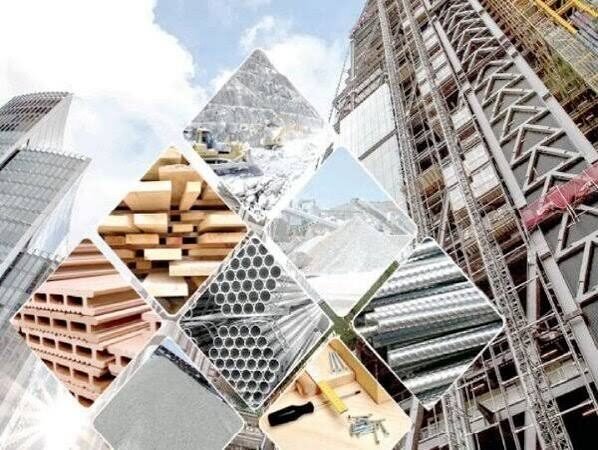
Material selection plays a critical role in determining the strength, durability, and lifespan of any structure. Whether in construction, engineering, or product design, the materials chosen directly influence how well a structure performs under stress, weather conditions, and long-term use. Understanding how different materials behave helps ensure safer, more efficient, and longer-lasting results across a wide range of applications.
The Role of Material Properties in Structural Performance
Every material has unique properties that affect how it responds to force, pressure, and environmental exposure. These properties include tensile strength, compressive strength, flexibility, and resistance to corrosion. Selecting the right material requires understanding how these characteristics align with the demands of the structure being built.
Strength is one of the most important factors in structural design. Materials with high tensile strength can withstand pulling forces, while those with strong compressive resistance perform well under weight-bearing conditions. Choosing the wrong material for a specific load type can lead to premature failure or structural instability.
Durability is another key consideration. Materials must be able to maintain their performance over time, even when exposed to changing temperatures, moisture, or physical wear. A well-chosen material ensures that the structure remains safe and functional throughout its intended lifespan.
Environmental Conditions and Their Impact on Material Longevity
Environmental exposure is one of the biggest challenges affecting structural longevity. Factors such as humidity, temperature changes, wind, and chemical exposure can gradually weaken materials if they are not properly suited for the environment. This makes material selection a critical step in long-term structural planning.
Corrosion and Weather Resistance
In environments with high moisture or chemical exposure, corrosion resistance becomes essential. Metals and alloys that resist rust and degradation help maintain structural integrity over time. Without proper resistance, materials can deteriorate quickly, leading to costly repairs or replacements.
Temperature Fluctuations and Expansion Stress
Extreme temperature changes can cause materials to expand and contract, which may lead to cracking or warping over time. Selecting materials that can tolerate these fluctuations helps prevent long-term damage and maintains structural stability under varying conditions.
In many engineering applications, materials like a stainless steel bar are often chosen due to their strong resistance to corrosion and ability to maintain structural integrity in challenging environments.
Load-Bearing Capacity and Structural Design Considerations
Load-bearing capacity is a fundamental factor in material selection. Structures must be designed to support both static loads, such as the weight of the structure itself, and dynamic loads, such as movement, wind, or seismic activity. The chosen material must be able to handle these forces without deformation or failure.
Different materials distribute stress in different ways. Some materials absorb force evenly, while others concentrate stress in specific areas. Understanding these behaviors allows engineers to design structures that maximize strength while minimizing material fatigue over time.
Proper load distribution also extends the lifespan of a structure. When stress is evenly managed, materials experience less strain, reducing the likelihood of cracks, bends, or structural breakdowns over time.
Material Fatigue and Long-Term Wear
Material fatigue occurs when repeated stress weakens a material over time, even if the stress levels are below its maximum capacity. This is a critical consideration in structures that experience constant movement or vibration, such as bridges, machinery, or high-traffic infrastructure.
Cyclic Stress and Microstructural Damage
Repeated loading and unloading cycles can create microscopic cracks within materials. Over time, these cracks expand and weaken the overall structure. Selecting materials with high fatigue resistance helps reduce the risk of long-term failure.
Maintenance and Inspection Cycles
Even with strong materials, regular maintenance is essential for ensuring longevity. Routine inspections help identify early signs of wear or damage before they develop into serious structural issues. Proper maintenance extends the usable life of materials and ensures ongoing safety.
Cost vs. Performance in Material Selection
Balancing cost and performance is a major consideration in any structural project. While high-performance materials may have a higher initial cost, they often provide greater long-term value due to reduced maintenance and longer lifespan.
Cheaper materials may reduce upfront expenses but can lead to higher long-term costs due to frequent repairs or early replacement. Evaluating total lifecycle cost rather than just initial price helps ensure better financial and structural outcomes.
Decision-makers must consider not only material cost but also installation requirements, maintenance needs, and expected lifespan. A well-balanced approach leads to more efficient and sustainable construction practices.
Innovations in Modern Material Engineering
Advancements in material science continue to improve structural performance and longevity. New alloys, composites, and engineered materials are designed to enhance strength while reducing weight and increasing resistance to environmental factors.
These innovations allow for more efficient designs that require fewer resources while maintaining or improving structural integrity. Modern engineering increasingly focuses on sustainability, durability, and adaptability in material selection.
As technology evolves, the range of available materials continues to expand, giving engineers more flexibility in designing structures that meet both performance and environmental demands.
Conclusion
Material selection is a foundational element in determining the strength and longevity of any structure. From load-bearing capacity to environmental resistance and fatigue performance, every material choice directly impacts long-term durability and safety. Careful evaluation of properties, costs, and environmental conditions ensures that structures remain reliable over time. By understanding how materials behave under stress and over extended use, better design decisions can be made that improve efficiency, reduce maintenance, and extend structural lifespan.