



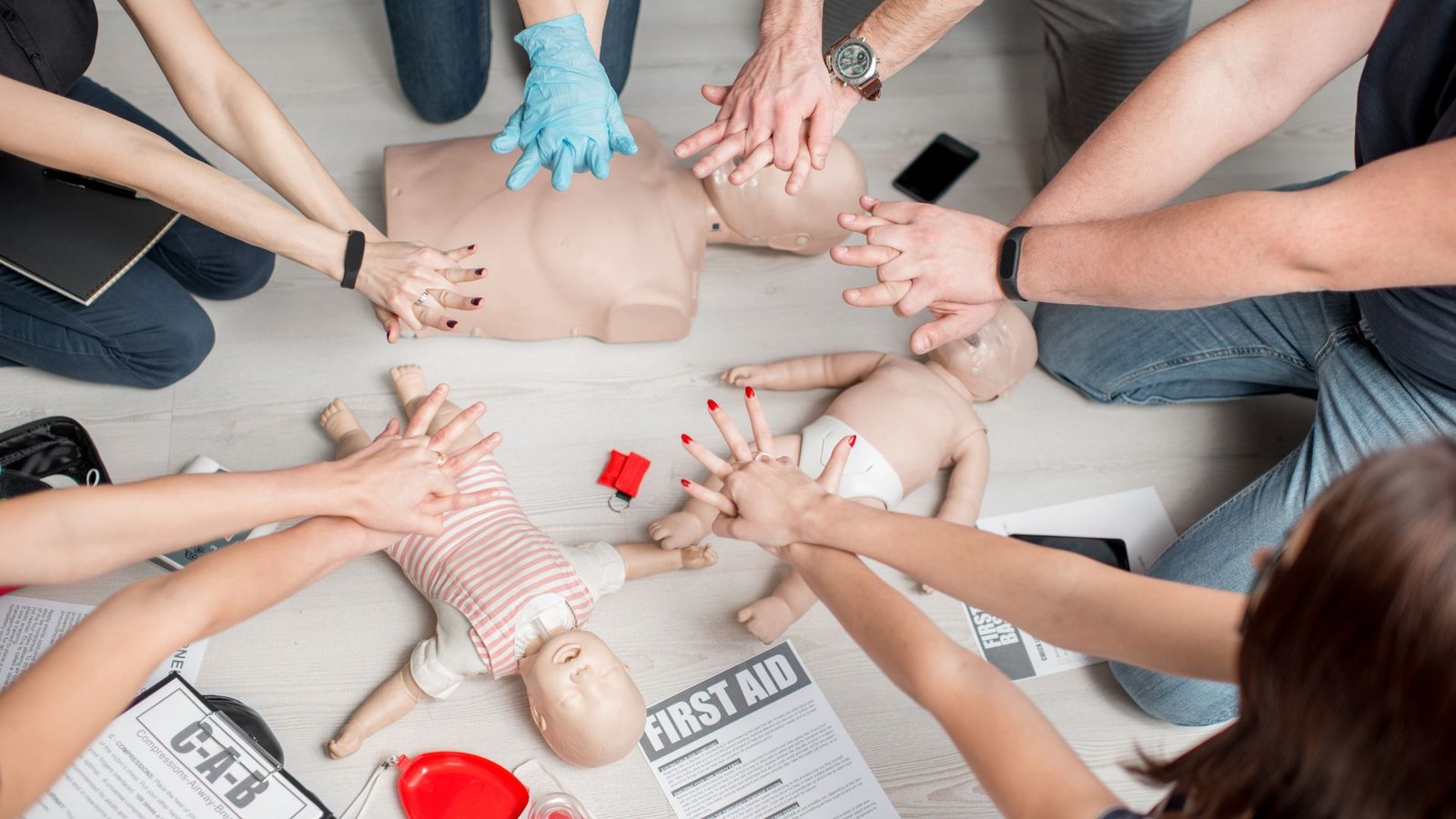
Cardiopulmonary resuscitation (CPR) is an emergency lifesaving technique used when a person’s heart stops beating or they stop breathing. Performing CPR immediately can help increase the chances of survival during cardiac arrest. Obtaining CPR certification equips people with the skills to help keep blood and oxygen flowing until emergency medical professionals arrive. Here are a few key things to know about the lifesaving techniques of CPR:
Understanding the CPR Steps
The CAB sequence is a guideline used when performing CPR in an emergency. It outlines three key actions designed to help maintain blood circulation when someone is in cardiac arrest: Compressions, Airway, and Breathing. The first step is chest compressions, which involve pushing firmly and rapidly on the center of the chest to manually circulate blood through the body. This helps deliver oxygen to the brain and other organs.
Open the airway by tilting the head back and lifting the chin. Then provide rescue breaths, which help deliver oxygen to the lungs so it can circulate through the bloodstream during compressions. Starting CPR as quickly as possible using the CAB sequence greatly improves the chances of survival during cardiac arrest. Learning and practicing these steps during a CPR certification course may help someone provide lifesaving assistance until trained medical professionals arrive.
Recognizing Cardiac Arrest Signs
To know when to begin CPR, it is key to recognize the signs of cardiac arrest, a condition in which the heart suddenly stops pumping blood effectively. Cardiac arrest often occurs without warning and requires immediate action. A common sign is sudden collapse, followed by unresponsiveness. The person will not respond when you speak to them or gently shake them. They may also appear to gasp for air; this is often agonal breathing, an abnormal, ineffective breathing pattern that occurs during cardiac arrest and should not be mistaken for normal breathing. Signs that indicate cardiac arrest include:
- Sudden collapse or loss of consciousness
- No normal breathing or only gasping sounds
- No pulse or other signs of circulation
- Unresponsiveness when spoken to or touched
Recognizing these signs quickly helps you determine when CPR is needed, especially if you are the only person present. Learning CPR through training and certification, and practicing the skills regularly, can prepare you to respond effectively in a life-threatening emergency. Understanding these skills will also help you stay calm and focused during high-stress emergencies.
Performing Chest Compressions
Begin chest compressions if a person is unresponsive and not breathing normally. Place the heel of one hand on the center of the person’s chest and your other hand on top, keeping your arms straight. Press down firmly and quickly; allow the chest to fully recoil between compressions, and continue compressions at a steady rhythm. After several compressions, open the airway by tilting the head back and lifting the chin. Pinch the person’s nose closed, create a seal over their mouth, and give a rescue breath, watching for the chest to rise with each breath. Continue alternating chest compressions with rescue breaths until the person shows signs of life or trained emergency responders take over.
Using an Automated External Defibrillator
An automated external defibrillator (AED) is a portable device that helps restore a normal heart rhythm during certain types of cardiac arrest. It works by delivering an electrical shock to the heart when it detects a rhythm that may respond to defibrillation. AEDs are most effective when used as soon as possible alongside CPR. If an AED is available, have someone retrieve it while CPR is being performed. The AED will analyze the heart rhythm and indicate whether a shock is advised. If a shock is recommended, make sure no one is touching the person and follow the device’s instructions to deliver it. CPR should be resumed immediately after the shock or if no shock is advised.
Acquire Your CPR Certification Today
Completing CPR training and certification helps you develop the knowledge and practical skills needed to respond to life-threatening emergencies. Proper training teaches you how to recognize cardiac arrest, perform effective chest compressions, provide rescue breaths, and use an AED when available. Get certified in CPR today so you’re prepared to take action and help save a life.